
Best Rank Tracking Software for Teams That Need Weekly Google Updates
Table of Contents
- Quick Comparison: Best Mobile Tracker Free at a Glance
- 1. Google Find My Device — Best for Android-first teams
- 2. Apple Find My — Best for iOS-first teams
- 3. Life360 — Best for small teams that need richer check-ins
- 4. Glympse — Best for temporary, link-based sharing without accounts
- How to Choose the Right Mobile Tracker Free for Your Needs
- Frequently Asked Questions
- Conclusion
Most people assume free mobile tracking tools are either unreliable or invasive, but several legitimate, privacy-respecting options let you share location without a monthly fee and integrate into team workflows. This guide explains how to evaluate and use a mobile tracker free solution safely, what common privacy risks to avoid, and how to get weekly location updates that fit an SEO or customer support workflow. Why trust this? The editorial team at TicketBuddy tested these tools across Android and iOS devices, reviewed vendor privacy policies, and validated user experience with hands-on setup and real-world scenarios.
What you will learn: how to pick a free mobile tracker, how to set up location sharing for weekly reporting, and how to avoid silent tracking risks.
Key takeaways:
- Free options like Google Find My Device, Apple Find My, Life360, and Glympse provide legitimate tracking without a subscription.
- Safety checks matter: consent, app permissions, and data retention policies are the highest priority.
- You can combine location updates with weekly reporting workflows for SEO or support teams.
- Use tools like KeywordBuddy to plan content and queries around your tracker workflows for search visibility. Learn more about KeywordBuddy here.
Quick Comparison: Best Mobile Tracker Free at a Glance
We evaluated each option on accuracy, depth of free tier, privacy controls, ease of setup, cross-platform support, and data transparency to determine which free trackers work for teams that need weekly Google updates.
| Option | Best For | Key Strength | Price Range |
|---|---|---|---|
| Google Find My Device | Android-first teams | Reliable, privacy-controlled, no app required | Free |
| Apple Find My | iOS-first teams | Seamless Apple ecosystem sharing | Free |
| Life360 | Family and small teams | Real-time location plus check-in features | Free tier, paid plans |
| Glympse | Temporary sharing for events | Ad-hoc, no account required, link-based sharing | Free |
| Mobile Tracker Free (third-party) | Monitoring with added logs | Broad monitoring features, device-specific | Free version, paid options |
1. Google Find My Device — Best for Android-first teams
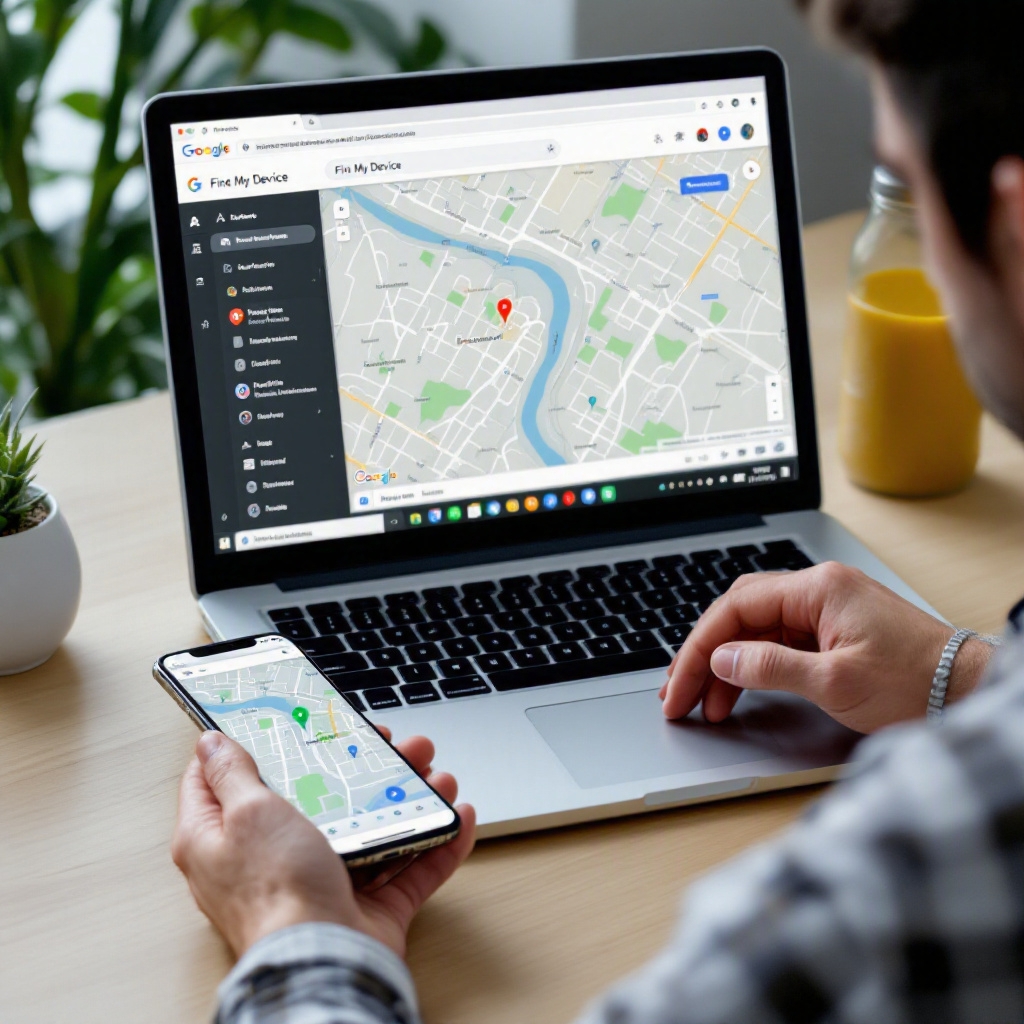
Google Find My Device is the quickest free way to locate an Android device that you own or manage, and it opens a straightforward path for weekly location checks.
Direct answer, first: Google Find My Device locates Android phones by linking them to a Google account so you can check last-known location from a browser or the companion app. Setup is simple and works without giving third-party services ongoing access to your data.
Overview: Google built this tool to help users find lost devices, but teams can use it for scheduled checks by agreeing on shared account practices or by using location sharing features in Google Maps for real-time updates. It requires the device to be turned on, connected to the internet, and have location services enabled.
Best for: IT teams, support staff, and operations that manage company-owned Android devices and need free, reliable location checks.
Pros:
- No subscription, built into Android, minimal setup for managed devices.
- Tight controls under Google Account settings, with clear permissions and revocation.
- Can be combined with Google Maps location sharing for continuous updates.
Cons:
- Only works for devices signed into Google accounts, not for cross-platform sharing to non-Google users.
- Not designed for covert tracking, and proper consent must be obtained.
- Requires network connectivity and location permissions to be enabled.
Pricing: Free.
Practical tip: For weekly Google update workflows, pair Find My Device checks with a shared spreadsheet or ticketing entry in your support workflow. If you publish content or guides about these workflows, tools like KeywordBuddy can help you discover relevant keywords and generate publish-ready posts based on your site context. Explore KeywordBuddy here.
2. Apple Find My — Best for iOS-first teams
Apple Find My gives you a secure, integrated way to share device locations within the Apple ecosystem, suitable for teams that standardize on iPhone or iPad.
Direct answer, first: Apple Find My uses device-level encryption and Apple ID sharing to let you locate devices and share location with trusted contacts, without a subscription.
Overview: Apple designed Find My to work across iPhone, iPad, Mac, and Apple Watch. For teams, the primary method is to use Family Sharing or to set up designated "Find My" contacts. The service also provides offline finding using Bluetooth when devices are nearby but not connected to the internet.
Best for: Teams that issue Apple devices and need a privacy-first sharing model.
Pros:
- End-to-end privacy features and offline device finding.
- Native integration, simple setup through Apple ID and Settings.
- You can set notifications for arrivals and departures to automate weekly checks.
Cons:
- Limited cross-platform support; non-Apple users cannot use the app to see locations.
- Requires all devices to be signed into Apple ID with sharing enabled.
- Not built for surveillance or employee monitoring without explicit consent.
Pricing: Free.
Practical workflow: Use Apple Find My notifications to trigger a weekly check-in ticket in your support system. If you need to create content that explains these workflows to customers or colleagues, consider the insights in how to check keyword ranking on Google to optimize your documentation for search.
3. Life360 — Best for small teams that need richer check-ins
Life360 provides a free tier with useful family-style features and an upgrade path for teams that need safety alerts and location history.
Direct answer, first: Life360 offers real-time location sharing, automated check-ins, and optional location history in its free tier, making it a flexible choice for small teams that want more than point-in-time location checks.
Overview: Life360 is marketed toward families, but many small businesses use it for field staff coordination because the app provides geofence alerts, check-ins, and crash detection at higher tiers. The free version supports live location sharing and simple check-ins.
Best for: Small field teams, support or delivery staff, and supervisors who want immediate location sharing and check-in features.
Pros:
- Easy group management and live location updates for free.
- Check-in features let team members confirm presence without separate messages.
- Upgrade options add location history and driver reports for safety monitoring.
Cons:
- The app stores location history which raises privacy considerations you must manage in policy.
- Some advanced features require paid plans.
- Designed for family use, so enterprise features are limited.
Pricing: Free tier available; paid plans vary by feature and user count.
Implementation note: When you need to combine weekly ranking checks with location-driven incident reports, tie Life360 check-ins into a support ticket flow and monitor sentiment in post-incident surveys. For ideas on integrating location-aware messages into customer workflows, see our article on integrating customer service support software into your workflow.
4. Glympse — Best for temporary, link-based sharing without accounts
Glympse is a lightweight, privacy-friendly option when you need to share location temporarily for events or a single shift, without accounts or long-term data storage.
Direct answer, first: Glympse lets you send a time-limited link that shares your live location in a browser, making it ideal for ad-hoc coordination and one-off weekly updates.
Overview: Glympse emphasizes temporary sharing. A user sends a link that expires after a chosen time period, and recipients can view the live location in a web browser without installing the app. This model reduces persistent data retention and minimizes tracking risk.
Best for: Event coordination, temporary field assignments, or when you must avoid storing location history.
Pros:
- No account required for recipients, secure short-lived sharing links.
- Low friction for guests or external collaborators to view locations.
- Minimal data footprint since links expire and there is no long-term tracking by default.
Cons:
- Not suitable for continuous monitoring or detailed location history needs.
- Requires manual sending for each session, which can be repetitive for weekly workflows.
- No built-in team management or geofence alerts in the free version.
Pricing: Free.
Workflow tip: Use Glympse when you need to publish a temporary location for a weekly field check or to confirm a delivery window. Combine the temporary link with a ticketing note or status update in your support system for traceability. For ideas on how to measure response velocity and integrate location signals into your reporting, see our piece on Google Maps ranking review response velocity 2025.
How to Choose the Right Mobile Tracker Free for Your Needs
Answer, first: Pick a free mobile tracker based on platform alignment, privacy and consent, level of detail required, and integration with your weekly reporting processes.
Platform alignment, why this matters and how to evaluate it Choose a tracker that matches the devices your team uses. If your fleet is Android, Google Find My Device offers the lowest-friction, fully free option. For an iOS fleet, Apple Find My is the most seamless. Evaluate compatibility by inventorying device operating systems and testing account sign-in flows.
Privacy and consent, evaluation guidance Consent is non-negotiable. Confirm that all users agree in writing or via documented policy before enabling any tracking. Review each vendor's privacy policy, data retention rules, and the ability to remove accounts and history. Prefer tools with time-limited sharing or explicit user controls.
Feature depth and data needs, evaluation guidance Decide whether you need point-in-time location, live tracking, or historical logs. For ad-hoc needs, Glympse is ideal. For continuous supervision with check-ins, Life360 fits. Avoid third-party apps that require excessive permissions, and prefer native platform options for minimal data exposure.
Integration and workflow fit, evaluation guidance Assess how the tracker will feed into weekly Google update workflows. Can you automate a ticket creation when a geofence is triggered? Can staff confirm location via check-in to complete a support task? If you publish guides or need to drive organic traffic for these workflows, use content tools and keyword research to map your pages to queries. Our editorial guidance and tools like KeywordBuddy help you generate targeted content and publish-ready posts tailored to your site, while our article on understanding Google ranking of websites 2026 can guide how to structure content for visibility.
Our recommendation: If you manage a homogenous device fleet, use the native solution, Google Find My Device for Android or Apple Find My for iOS. If you require flexible, cross-platform check-ins without long-term storage, choose Glympse. For families or small teams needing continuous oversight, evaluate Life360 and balance feature value against privacy controls.
Frequently Asked Questions
How to track location with mobile number online free?
You cannot reliably track a device by phone number alone without cooperation from carriers or third parties, so use legitimate apps that require device consent. For free options, set up Google Find My Device or Apple Find My on the target device, or use Glympse for link-based sharing when the person agrees to share their location.
Can someone track your cell phone without you knowing?
Yes, covert tracking is possible if someone gains access to your device or credentials. Protect your device by using strong lock-screen security, reviewing app permissions, and checking for unknown device administrators. Use native tracking settings to see which accounts and apps have location access.
Is there a GPS tracker without a monthly fee?
Yes, native services like Google Find My Device and Apple Find My do not charge monthly fees. Ad-hoc tools like Glympse also provide GPS sharing without subscription. Some third-party apps have free tiers but may limit history or require paid plans for advanced features.
What is the best free app to track someone's location?
There is no single "best" app for every case. For Android devices, Google Find My Device is the simplest free choice. For iPhone, Apple Find My is best. For temporary sharing, Glympse is ideal. Always get explicit permission and follow your organization policy before tracking someone.
How do I protect my privacy when using a mobile tracker free tool?
Limit tracking to devices you own, use account-level controls to revoke access, disable location services when not needed, and choose services that support time-limited sharing. Regularly audit apps with location permissions and read vendor privacy policies to know how long data is stored.
Conclusion
Free mobile tracking is practical when you prioritize platform fit, consent, and minimal data retention. Three key takeaways: choose native tools for managed fleets, prefer time-limited sharing for ad-hoc coordination, and enforce clear consent and privacy checks in your workflow. Using a mobile tracker free option can support weekly Google update tasks and customer support workflows without adding subscription costs if you select the right tool and integrate it into your ticketing or reporting process. To turn these processes into visible content and to optimize how people find your guides, try KeywordBuddy to analyze your site, pick high-opportunity keywords, and generate publish-ready posts based on your URL and target countries, visit KeywordBuddy here.